
Where have all the real men gone?: The rise of “alpha females”
If you are out here looking for a real one – may the odds be in your favor.
I’m not speaking of a genuine Birkin bag or an expensive version of your favorite perfume. I’m talking about a man.
Is it just me or does it seem like manly men have been slowly going extinct over the past few years?
So much so that there’s a phrase that has gained a lot of traction lately, implying that women are taking over the strong, independent and capable leadership roles that men once held. You know what I’m talking about “alpha female.”
Remember way back then when the fellas were being referred to as “alpha”? Sooooo, are the roles shifting?
Or, has this always been the case, and women simply spent years playing the demure damsel in distress because it made men feel more manly?
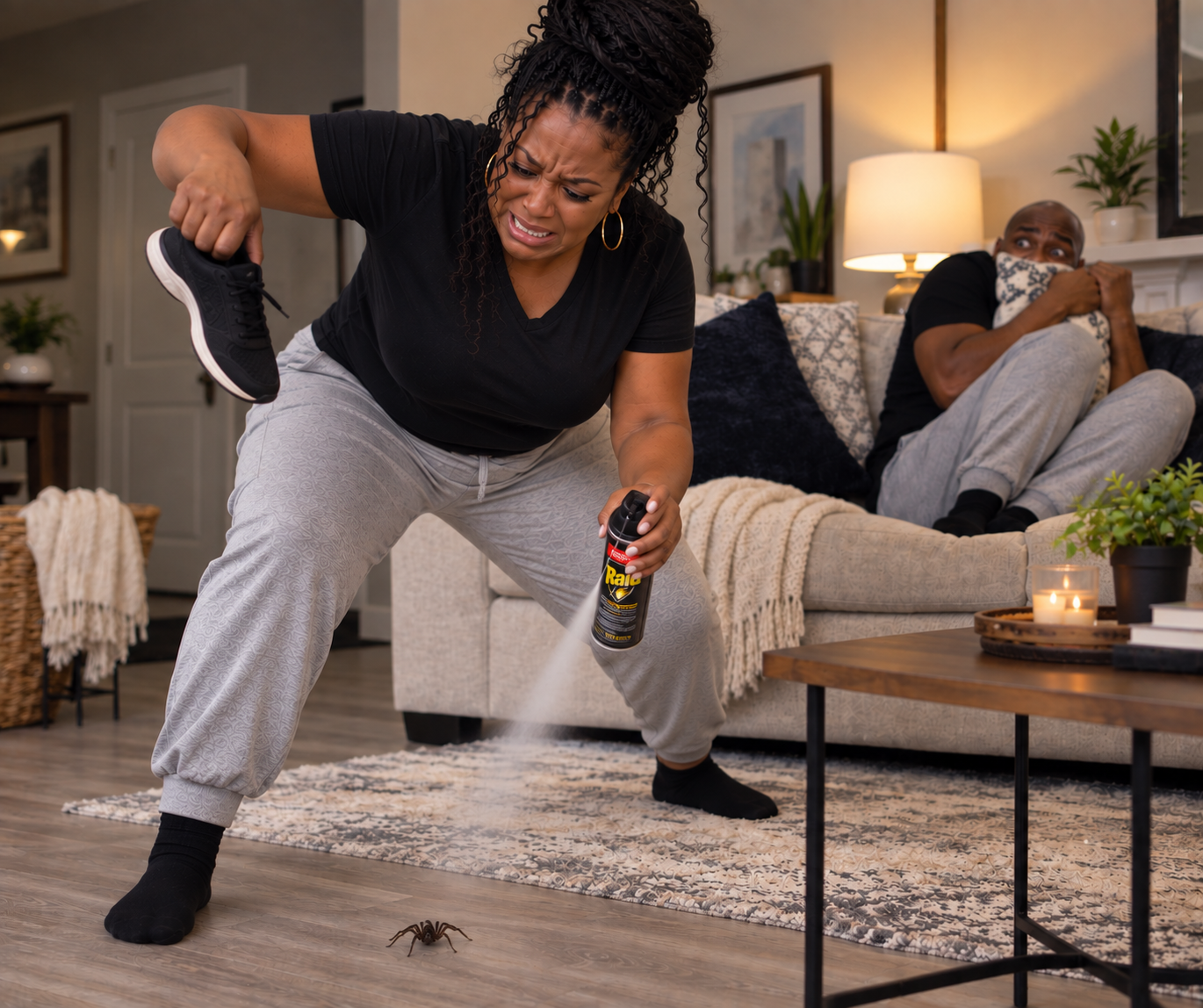
There was a time when a woman would see a spider and let out a scream that could be heard from outer space. Then, comes the big brave man to save her.
But nowadays? Some of these new men “eeeek” right along with us.
They spend more time in the mirror. They have more detailed skin-care routines. Some even get mani-pedis more often than we do.
In the words of Kendrick Lamar, “You f**kin' with n****s that's thinkin' they cuter than you, oh
Say you on your cycle, but he on his period too, oh
The tables been turnin' so much, I was thinkin' it's foosball
The tenderness of 'em, mistakin' 'em for some wagyu, oh.”
And before you get all riled up, there’s absolutely nothing wrong with a man taking care of himself. Self-care isn’t for females only.
But where did the men who don’t mind getting their hands dirty disappear to?
You know the ones who will mow the lawn, change a tire, fix something around the house, crawl under the car, assemble Ikea furniture, and at least know how to follow a YouTube tutorial to get the job done without admitting defeat.
It seems like with every new generation, the percentage of traditional “manly men” decreases. And the amount of “It’s cool, I got it” women increases.
We see more men attempting to be successful in careers that don’t fit the traditional image of masculinity: influencers, artists, gamers, entertainers, content creators, etc.
And again (before you come at me) there’s nothing wrong with those careers.
But when women say they are looking for a “real man” those aren’t typically who they are looking for. With that being said, what are we looking for?
Physical strength? Leadership? Confidence? Responsibility? Accountability? Protection? Emotional stability and control? A willingness to provide? Or something more?
I’m also having a hard time determining which came first…
Did we as women become more independent, educated, strong and willing to do it ourselves, then men discovered they weren’t as necessary as they once thought they were? Or did men stop behaving like the men of yesteryear, and women were forced to take it all on themselves? Orrrr has our definition of masculinity changed over the years.
Multiple things can be true at the same time, right? And that’s where it gets interesting.
Maybe we shouldn’t ask if men have changed, but rather assume our expectations of each other have changed instead.
Women have learned to do more for ourselves. We work, raise children, manage households, build businesses, fix things, make decisions and carry many of the responsibilities that our ancestors expected men to typically handle.
And honestly, we’ve gotten pretty dang gone good at it.
How and ever, being capable of doing everything doesn’t mean we want to do everything. And that gets lost in translation sometimes.
When a woman wants a mate who makes her feel safe, supported and cared for, she isn’t saying she wants to sit back and be helpless. She’s simply acknowledging how exhausting it is to always be the strong one making all the decisions, while tending to the sassiness and rollercoaster emotions of a grown man.
And that’s where the “real man” would be beneficial to us.
It doesn’t mean he never cries. It doesn’t mean he doesn’t ask for directions. It doesn’t mean his only job is to bring home a paycheck. And it definitely doesn’t mean he can’t get a pedicure.
We simply want a partner. Someone who shows up. Someone who takes responsibility. Someone who can lead when leadership is needed and listen when the time is right. Someone who can be assertive and enforce the rules. Someone who isn’t threatened by a strong educated woman, but also doesn’t expect for her to always carry the weight because he refuses to.
Because when it comes down to it, being an independent woman means “I choose you,” not “I need you.” Know the difference.
But most women aren’t looking to necessarily go back to the way things were.
We’re looking for someone who can progress with us. A man who can change a tire and communicate. A man who can protect and nurture. A man who can believe his existence is worth more than just providing money. A man who is confident enough to let his wife’s strengths shine without feeling like his light is being dimmed. We want more, and that’s OK.
That way, we can be “alphas” together.
Because strength isn’t about who dominates. It’s about who is dependable, who is responsible and who is accountable.
So, are men disappearing? Or are we, as women, standing ten toes down on what we want, deserve and need in a partner?
That may mean that being a man in 2026 looks different than it did in 1983.
And maybe that’s not a bad thing.
So ladies, if you’re out here looking for a real one, keep looking until you find one that isn’t too self-conscious and insecure to let you shine when your skillset and experience are stronger. Find one who can complete you, not one you have to coddle and hide your emotions from.
Keep searching like Google, and again, may the odds be in your favor.
Because somebody needs to kill these damn spiders.
If you're feeling overwhelmed, you're not alone. Support from a therapist can help you navigate these emotions and find practical ways to care for yourself. The clinicians at New Chapter Counseling Services specialize in supporting women through life transitions, pregnancy, postpartum, and everyday mental health challenges.