Here’s how I dealt with being shamed as a new mom
If you’re reading this, I’m currently attending a conference titled, “Best Breast Forward: Bridging the Gaps in Breastfeeding Support” for a tabling opportunity and to support our very own Dr. Samantha Smalls as a guest speaker.
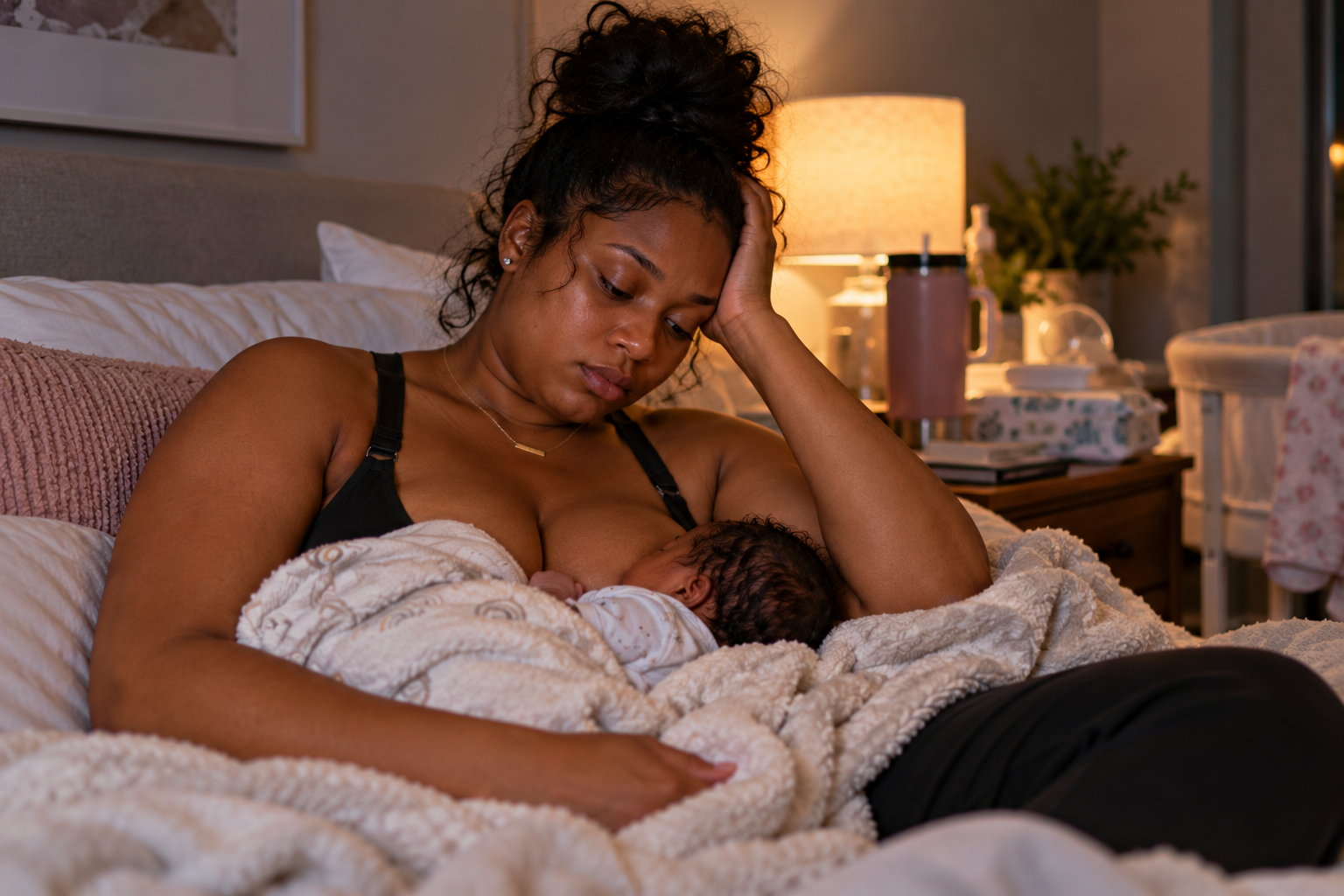
Whenever the topic of breastfeeding comes up, I am instantly bombarded with memories of how I wasn’t able to breastfeed either of my 2 children.
My son was born a bouncing 8 pounds of joy. He latched immediately in the hospital, but after minutes of trying to get him to eat, he was “hangry,” and I was riddled with anxiety. We kept trying the following days in the hospital, and I just couldn’t produce enough milk to get him full. We resorted to supplementing with formula.
I was sent home with a manual pump. I would sit, squeezing for hours – so much so that my hands would cramp, and my breasts would be so sore. I’d check the bottle – knowing I had a good bit – only to find 2 ounces or less in the container.
I kept trying, but I just couldn’t get the payoff, so he became a formula baby.
During his time on the bottle, I heard all the comments.
“You have those big ole boobs, and you can’t feed that baby.”
“I can’t believe you put him on the bottle.”
“You know breastmilk is better.”
And, my favorite from my ex, “You’re just being lazy. You won’t even feed my son.”
I was shamed because my body wouldn’t cooperate. I didn’t have people in my circle to recommend remedies, teas and massages to help with production – most just judged.
And for lack of a better word, that made me feel – excuse my French – like a really shitty mom.
One morning, I woke up in a puddle of breastmilk soaking my sheets, and all I could do was cry. That liquid gold was supposed to be for my baby! How dare my body betray me in such a way.
I figured the floodgates were opened, and proceeded to pump – nothing.
I felt judged by everyone. My mother, my aunts, doctors and my “husband” at the time.
Looking back, it’s crazy to think I had gone through 9 months of pregnancy and a C-section to birth my first child, and all I felt was judgement for something beyond my control.
When I had my daughter 3 years later, I had more hope. I was bigger, my breasts were constantly engorged, I ate more, she was born 6 pounds 11 ounces – so I should have plenty to give her.
Nope.
Turns out my food habits didn’t matter, and what I thought were engorged breasts was just baby weight.
So eventually, my daughter became a formula baby as well.
I had gone from a C cup to a H cup, so you can imagine the comments I got with my new boobs and no milk.
The shame hit me like a ton of bricks all over again.
Over the years, I’ve realized that our world has a habit of shaming women for things beyond our control.
Whether it’s the inability to breastfeed, having a miscarriage, fighting postpartum or just being tired.
Most of us constantly wake up and try to do the best with what we have been given.
But here are some ways to fight mom shame…
1. Separate facts from judgement. You’ve heard the line, “opinions are like a**holes, everyone has one.” Don’t let someone’s opinion run your life.
2. No one can win motherhood. It’s not a competition. There’s no trophy. You don’t get your name in the Mommy Hall of Fame. Do your best.
3. “Couldn’t” is different from “wouldn’t.” I didn’t breastfeed because I couldn’t. Sometimes, it’s not a lack of effort it literally a lack of ability.
4. Another mom’s success doesn’t mean you failed. This one is obvious. I don’t think I need to explain, but in case I do – we all struggle in different areas, so just because she can do this one thing, doesn’t mean she can do all the things.
5. Give yourself grace and permission to grief. You don’t have to pretend you aren’t disappointed, but just remember you found a way to make sure your baby’s needs are met.
6. Set boundaries on unsolicited opinions. In short, tell the haters to STFU. But if you want a nicer way, tell them, “We’re doing what works for our family.”
7. Find a village. Instead of surrounding yourself with people who judge, get people who understand.
8. Remember what else you provide for your child. You might not be able to do one thing, but you’re probably doing a million and one other things for your little one.
9. Your lack is not your identity. You are so much more than how you raised your baby. Remember that.
Motherhood is not measured by how perfectly we follow someone else’s rules and expectations. Being a good mom is not trying to be picture perfect but making sure we are the mom we need to be for the kids we have. Don’t let culture convince you that one moment in parenting will determine whether or not you are a “good mom.” Taking the time to read blogs like this, and looking for the help you need tells me that you are.
If you're feeling overwhelmed, you're not alone. Support from a therapist can help you navigate these emotions and find practical ways to care for yourself. The clinicians at New Chapter Counseling Services specialize in supporting women through life transitions, pregnancy, postpartum, and everyday mental health challenges.